

Last Updated on 2026-07-13 by a-indie
Natassya’s Voice and Recording Approach

— Wakiki: Natassya’s voice holds a soulful warmth within it while also carrying a cool, delicate quality. As you approached the singing on this record, were there particular things you were conscious of or committed to in terms of expression?
Natassya: Thank you so much! This second album felt really different from the first one, especially in the way I approached singing. I was trying to find the right vocal placement that could really fit and wrap around the arrangements naturally. There were even a few songs I had to re-record because Raka and I felt they would sound better if I sang them more softly, or more like the way I normally speak. Because of that, I really needed to stay relaxed. But for some reason, I get nervous really easily in the studio — I honestly don’t know why (hahaha). So sometimes I would step outside for a few minutes, look at the sun, feel the wind, watch people passing by, and then come back into the studio with a clearer head. I also like dimming the lights in the studio sometimes, just so I can focus more on my voice and the feeling of the song.
The Balance Between Voice and Instruments
— Wakiki: The sound of this album feels like a warm guitar tone quietly painting a landscape around Natassya’s voice, with an unhurried rhythm section creating a nostalgic sense of space. How did that relationship and balance between voice and instruments come to be built the way it is?
Sinatrya: For that, it was really just about placing every arrangement where it felt right and keeping everything in its proper portion. There was never any intention for one element to overpower the others, so the balance between the vocals and the instruments came together naturally.
The World of Layered Percussion
— Wakiki: On this album, a rich layering of percussion sits alongside the drums and Latin instruments, with guiro, mallets, wind chimes, and more bringing a new depth of color to the rhythm. What intentions or images were behind that multi-layered sound? And how do you plan to reproduce or reimagine it in a live setting?
Sinatrya: Since the second album was recorded live together with our additional live band members — Sandi on percussion and Rhesa on bass — it opened up more space for percussion layers to naturally come into the arrangements. Some guitar parts on the album even work more like additional percussion elements rather than just melodic instruments.
The Song That Became a Turning Point
— Wakiki: Was there a song during the making of this album that became a turning point in the process, or one that carries a particular significance for you? We would love to hear about how it came to be and what it brought to the band.
Natassya: For me, it’s 「The More」. The song went through a lot of rearrangements and ended up sounding completely different from the original version. But in the end, it finally became the best version of itself. Honestly, it was also one of the hardest songs I have ever had to record. Finding the right emotion for it took a lot, especially because the vocal needed to stay really soft and controlled. It was definitely challenging, but hopefully it came out beautifully, and hopefully everyone will connect with it too.
When and Where to Listen to This Album
— Wakiki: If 『Perak』 felt like a light kindling quietly inside you, 『Di Hotel Malibu』 feels more like an invitation to a still moment, watching raindrops on a hotel window. When and where do you hope people will listen to this record?
Natassya: Hopefully people can find a sense of peace in it, just like the way you described it — maybe during moments when life is changing. This album feels closely connected to the questions people often have about their own journey, the changes they go through, and the experiences that slowly shape them into better versions of themselves day by day. Hopefully this record can become part of the soundtrack to those moments.
A Message to Listeners in Japan
— Wakiki: Finally, would you like to share a message with listeners in Japan?
Sinatrya and Natassya: Can’t wait to come back to Japan! Yabai!!!!
Thee Marloes Album Release
2nd Album 『Di Hotel Malibu』
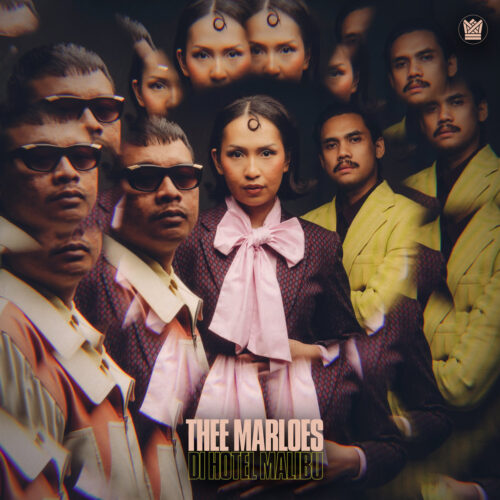
Release Date: May 22, 2026
Label: Big Crown Records
Track Listing:
1. Under the Silver Moon
2. 6 Years
3. Harap Dan Ragu
4. Through the Changes
5. Di Hotel Malibu
6. I’d Be Lost
7. Di Dalam
8. I’m Just a Girl
9. The More
10. Selatan
11. What’s On Your Mind
12. Crazy Eyes
13. Boru
14. Rahasia
View on Amazon
Thee Marloes Band Profile
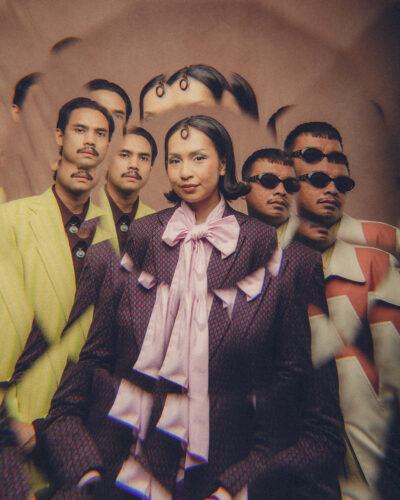
Thee Marloes is a three-piece band based in Surabaya, Indonesia’s second-largest city. Comprising Natassya Siantury (Vo., Key.), Sinatrya Dharaka (Gt.), and Tommy Sattwik (Dr.), the band is known for a sound that fuses elements of soul, jazz, and pop with their own distinct cultural background. They made their Big Crown Records debut in 2023 with the single 「Midnight Hotline」, and their debut album 『Perak』 in 2024 drew international attention. Their lyrics move fluidly between English, Indonesian, and Batak, and their sound — bridging the musical memories of their hometown with a worldwide groove — has carved out a unique presence in the independent soul scene.
Instagram: https://www.instagram.com/theemarloes/
Bandcamp: https://theemarloes.bandcamp.com/
Writer: Wakiki

A BayStars fan who loves coffee, cigarettes, and music. Based in Mie Prefecture. Read more articles by Wakiki here


 - is a music media platform run by BELONG, a Japanese music organization. We publish music articles with a focus on indie music.