
Last Updated on 2026-07-13 by a-indie
Musical Roots and Influences
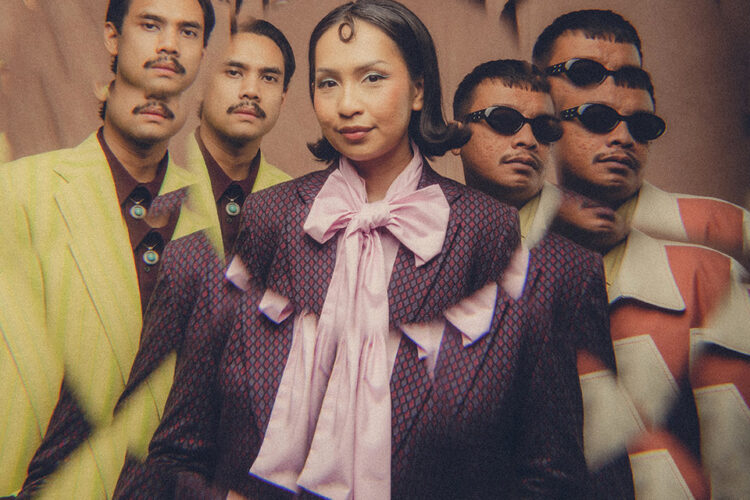
— Wakiki: Could you tell us about your musical roots? We would love to know which artists or songs had the greatest impact on you, what sits at the core of your sound today, and whether Indonesian local music or older recordings have shaped you in any way. Where do you feel those influences showing up most clearly in what you make now?
Sinatrya: I listen to a lot of reggae and rocksteady, from ’60s records to lovers rock and even newer digital dub. Lately I’ve also been listening to a lot of Brazilian and African artists. One Indonesian artist who has really inspired me is Chrisye. I think he’s also one of the reasons why I feel comfortable writing lyrics in Indonesian in a more direct and honest way. What always amazes me is how albums from the ’60s and ’70s — whether soul, pop, funk, or psychedelic music — were made with such limited technology, yet still sounded so beautiful and intimate, like you were in the same room as the musicians. That feeling is something we always try to bring into every Thee Marloes album.
The Surabaya Music Scene
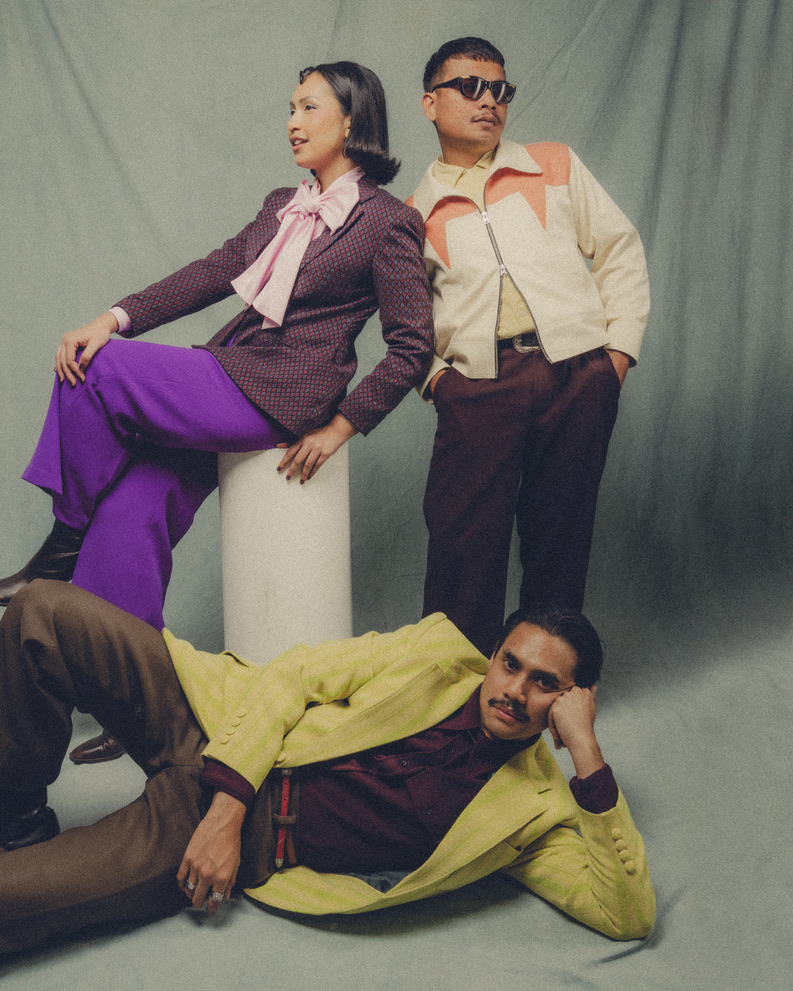
— Wakiki: Considering your activities based in Surabaya, what was the local music scene like? Within that context, how would you describe Thee Marloes’ sound — focused on soul and R&B — in terms of its position within the local scene?
Sinatrya: The music scene in Surabaya is actually really diverse. You could say every genre has its own community there, from indie pop, hardcore, and post-punk to garage rock, and people are still consistently making new music. But when it comes to classic soul, ’60s R&B, and that kind of sound, there honestly weren’t really any bands in Surabaya playing music like that at the time. There is a DJ collective called Surabaya Soul Gang though, and they’ve been introducing a lot of classic soul, lowrider soul, and northern soul music to people in the city.
On the Second Album 『Di Hotel Malibu』
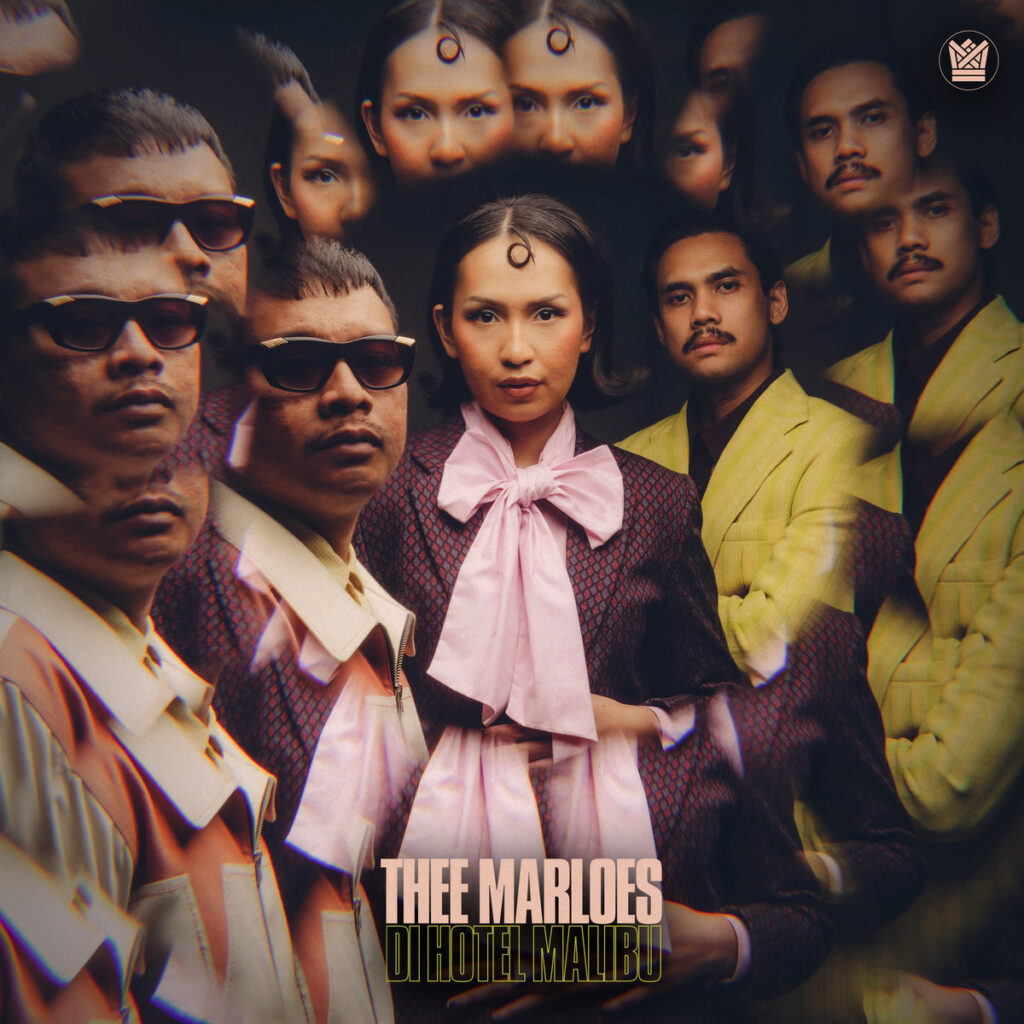
— Wakiki: 『Di Hotel Malibu』 opens with 「Under the Silver Moon」, and from the very start there is a quality of something slowly seeping into the heart. The title track 「Di Hotel Malibu」 conjures images of a seaside scene where time comes undone, a gentle moment somewhere on a journey. Was there a particular theme or concept you held in mind across the full album? And what changed between this record and your previous album 『Perak』?
Sinatrya: Maybe it’s because this album was made after we started touring more. A lot of the riffs actually came up accidentally during soundchecks or while we were on the road, so I think the atmosphere of the album naturally reflects what we were feeling during those journeys. With 『Perak』, I think we had a lot more ambition but also more doubts, wondering whether things would sound good or not, and sometimes being too driven by certain references. But on 『Di Hotel Malibu』, we tried not to limit ourselves too much. We just wanted to explore freely and let out whatever was already in our heads.
Language and Expression
— Wakiki: English and Indonesian move together naturally throughout Thee Marloes’ music. When it comes to the nuances that come from choosing between languages or blending them — for instance how close or distant it feels to the listener, or how emotion travels differently through each — what are your thoughts and intentions in the studio?
Sinatrya: For us, language is really just a medium to deliver a feeling or a message. As long as we’re expressing things honestly, we believe listeners will still be able to feel what we’re feeling, no matter which language we use.
Next Page ⏩️

 - is a music media platform run by BELONG, a Japanese music organization. We publish music articles with a focus on indie music.