
Last Updated on 2026-07-13 by a-indie
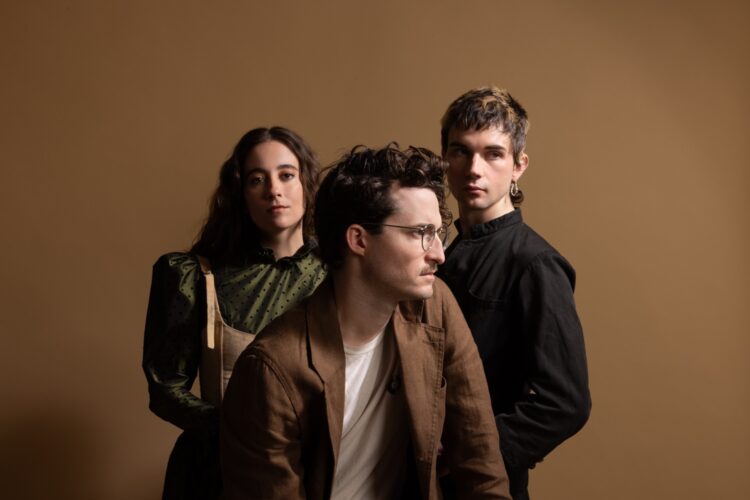
A band from Brooklyn, New York has arrived with a strange and beautiful gift: music that makes you want to dance and cry at the same time.
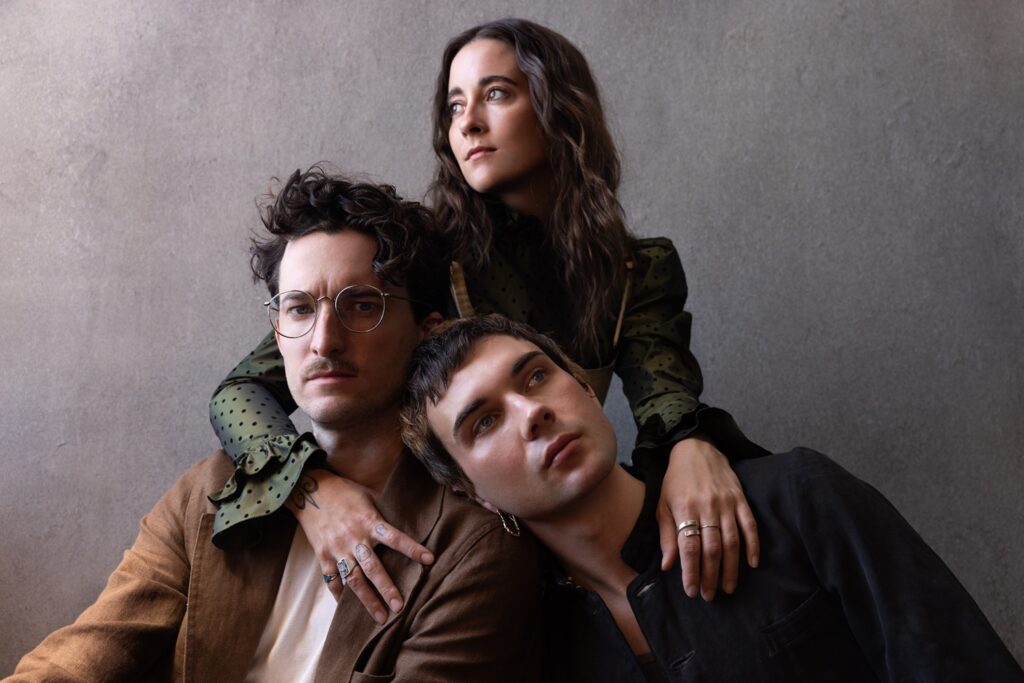
Nation of Language is a three-piece built around synthesizers, but carrying the raw warmth of punk and the clarity of pop.
Since their 2020 debut, they have earned devoted listeners around the world, and in 2025 released their fourth album 『Dance Called Memory』 on Sub Pop.
With their first-ever Japan tour approaching, we sat down with vocalist Ian Richard Devaney. “Memory is a dance,” he says. Read on to find out what he means.
Artist: Ian Richard Devaney Interviewer: Wakiki Translation, editing & proofreading: BELONG Media / A-indie
Who Is Nation of Language
How the Band Began
-Wakiki: Can you tell us how the band got started? We heard that Ian began making music on synthesizers after being inspired by Orchestral Manoeuvres in the Dark’s 「Electricity」 — so how did that eventually lead to the current three-piece lineup? And what was Ian’s ideal vision for synth music back then?
Ian: When I listened to 「Electricity」, I was struck by how imperfect it sounded. I had mostly just been listening to punk music during that time, and the way that this synth music felt human and raw spoke to me. When the project began it was important to me that the music capture some of that energy.
Musical Influences and the Band Name
-Wakiki: We’d love to ask about Nation of Language’s musical roots. You’ve openly cited influences like OMD, New Order, Kraftwerk, and Japan’s YMO — but beyond those, were there any other artists or music that had a particularly big impact on shaping your current sound? And where do you feel those influences actually show up in what you make?
Ian: I think bands like Future Islands and The National were very influential on me, because they were able to inject so much passion and pain and love into their music. I think older punk bands also play a big role in what the band became, because I would watch old footage of bands like Fugazi or The Clash and I really appreciated how much energy and life the live performances had. It really felt like they were holding nothing back, and fully giving themselves to the show each night.
-Wakiki: We wanted to ask about the band name. We heard it was inspired by and adapted from Nation of Ulysses — but looking back now, how do you feel the name Nation of Language captures the music and expression of the band as it exists today?
Ian: I do (thankfully) feel that the name still feels right for the band. To me it evokes something that will stand the test of time, which I hope our music is able to do. I also like that it’s just mysterious enough that people have all different kinds of interpretations of what it means to them.
On the 4th Album 『Dance Called Memory』
The Meaning Behind the Title
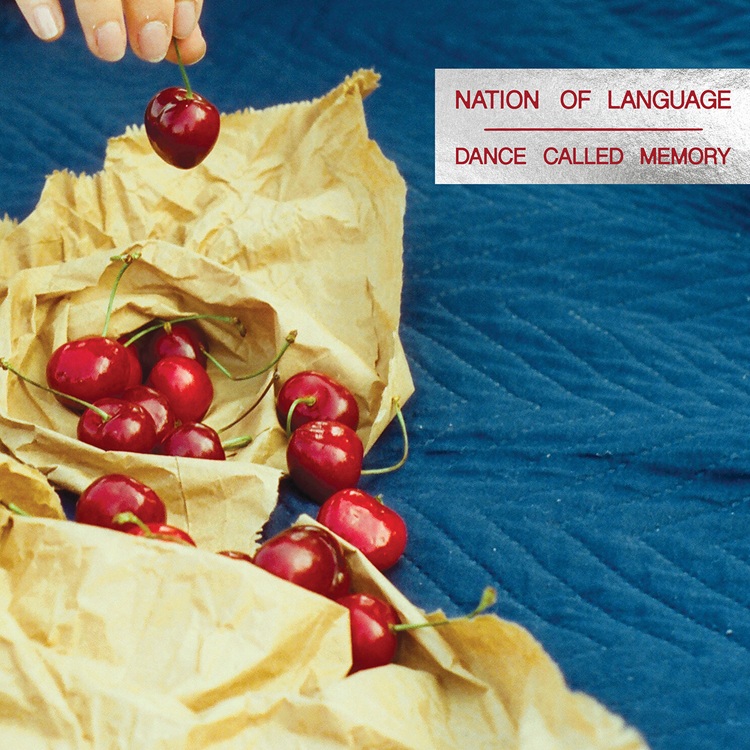
-Wakiki: Now we’d love to talk about last year’s album, 『Dance Called Memory』. Why did you choose that title? When I heard it, I pictured people dancing while still holding onto their wounds and memories — what meaning or imagery did you have in mind when you landed on it?
Ian: That’s a beautiful scene to imagine. It was borrowed from a poetry book called 『The Beauty of the Husband』, by Anne Carson. Aidan is the one who put it in front of me, and as soon as I read it, I knew it was right. Memory can be such a fluid thing, and there are times we are holding it so close, and other times when we are spinning away from it, and I liked imagining all of this as a dance, rather than something like combat.
The Evolution of the Sound
-Wakiki: The mechanical yet dreamy synth sounds feel warm when they meet the emotional peaks in the vocals, and the guitar and bass feel more emotionally raw and human than ever. How do you feel the sound on this album has evolved compared to your previous work? What were you most conscious of during the making of it, and what do you love most about how it turned out?
Ian: We continue to incorporate a greater variety of instruments — allowing imperfection and humanity to take a greater and greater hold as we evolve. We were definitely making those decisions in the studio consciously, but it all came together even better than I had imagined it. Our producer, Nick Millhiser, was able to add power and weight to the music in a way that gave me chills.
On the Vocals
-Wakiki: We’d love to ask about Ian’s vocal performance. On this album, there are moments where his singing feels more intense and emotionally explosive than before. What was behind that approach, and what did you most want to communicate through your voice?
Ian: I think my relationship to my voice is changing constantly — we’ve done so much touring and recording since 2020, and I’m always trying to experiment and learn about the most emotionally effective way to use my voice. That can change so much album to album, or even song to song. 『Dance Called Memory』 was written and recorded during an emotional time in my life, and I wanted the vocal performance to capture how raw and emotionally explosive that time was.
On the Lyrics
-Wakiki: Ian’s lyrics are thoughtful and deeply resonant — touching on self-reflection, loss, and loneliness in ways that really connect with listeners. As a media outlet that values language, we’d love to know: what were you most mindful of, or what mattered most to you, when writing the lyrics for this album?
Ian: I think a lot of why I make music and write lyrics is to feel just a little more understood in the world. With that in mind, even when the lyrics are telling a mostly fictional story, it’s important to me that there is some piece of myself reflected in the words. Even if it’s a part of me I dislike, I’m always trying to illuminate something of myself for the listener.


 - is a music media platform run by BELONG, a Japanese music organization. We publish music articles with a focus on indie music.