
Last Updated on 2026-03-28 by a-indie
“Not quite sky, but not quite space either.”
That is the kind of distance you feel listening to Happypills.
Yuki Kondo has been committed to expressing bedroom indie pop in Japanese, and now, five years on, he is releasing the EP 『happypills (dream)』.
From the influence of Galileo Galilei and The Drums, to connections made overseas through Bandcamp, to performing live as a two-piece setup — this interview covers everything.
The tactile warmth of home recording, lyrics that feel nostalgic and quietly melancholic, and artwork wrapped in a gothic atmosphere.
In this email interview, we asked him everything about how this new release came to life.
Artist: Yuki Kondo (Happypills) Interviewer: まりりん(Maririn) Editing and proofreading: BELONG Media, A-indie
How Happypills Began
-Maririn: What led you to start making music, and what was the trigger? Also, could you tell us about the origin of the name “Happy Pills”?
Yuki Kondo: I have always loved music and listened to it a lot, but I had almost no experience with guitar until around my university years, when I started playing in earnest. My friends and I talked about forming a band, and we did go to the studio together a few times to practice. But everyone was busy in their own way, so we could not meet up that often, and the band never really came together. Before I knew it, I had fallen into a pattern of writing songs on my own and uploading them to Bandcamp (laughs).
-Maririn: Could you tell us about the origin of the name “Happy Pills”?
The name Happypills comes from a song called 「Happy Pills」 by Norah Jones. A friend came up with the name when we were deciding what to call the project. I really love the way it sounds when you write it as one word, Happypills, and the way the heights of each letter seem to rise and fall in a kind of wave — it just felt right.
Musical Roots and Discoveries
-Maririn: Could you tell us about the music that has influenced you and your musical roots?
In terms of making music as Happypills, the first real turning point was hearing the album 『PORTAL』 by Galileo Galilei. When I started reading reviews of that album, I kept coming across words like home recording, dream pop, and shoegaze. From there, as I dug deeper, I discovered bedroom artists overseas who were uploading their music to Bandcamp, along with all kinds of indie pop. Labels like Captured Tracks and Spirit Goth Records from the US, and Z Tapes from Slovakia, came up — though I was not particularly knowledgeable about the indie scene at the time, I was just listening to whatever my searches turned up. I also listened a lot to The Drums, Fazerdaze, Wavves, and Cloud Nothings. The rough, muffled sound, the wobbly single-note guitar riffs that were never really meant to be polished, the simple drum machines, the buried vocals — that whole home-recording atmosphere felt so fresh to me, and it made me feel like maybe I could make something too. I wanted to honor the DIY spirit of those overseas artists while also figuring out how to express the same thing in Japanese. The starting point was aiming for the atmosphere of Galileo Galilei’s 『PORTAL』 through to 『Baby, It’s Cold Outside』 and 『ALARMS』 — I love everything GG has done, honestly.
A World Built from Daily Life and Emotion
-Maririn: Outside of music, are there things that have influenced Happypills’ expression and worldview — films, literature, art, everyday experiences, for example?
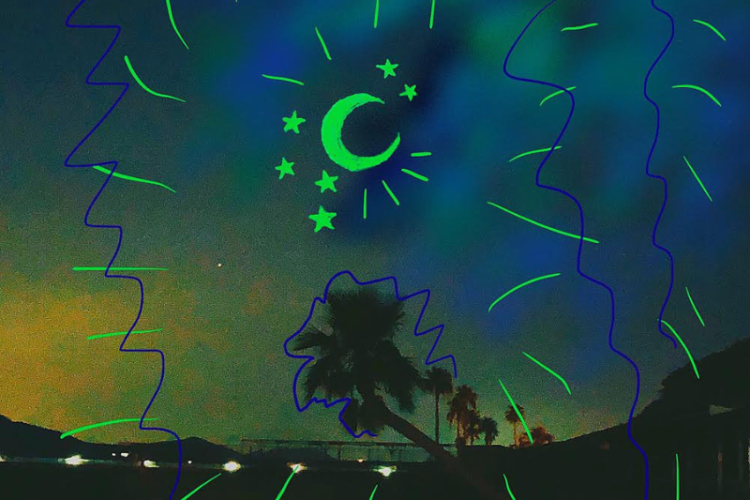
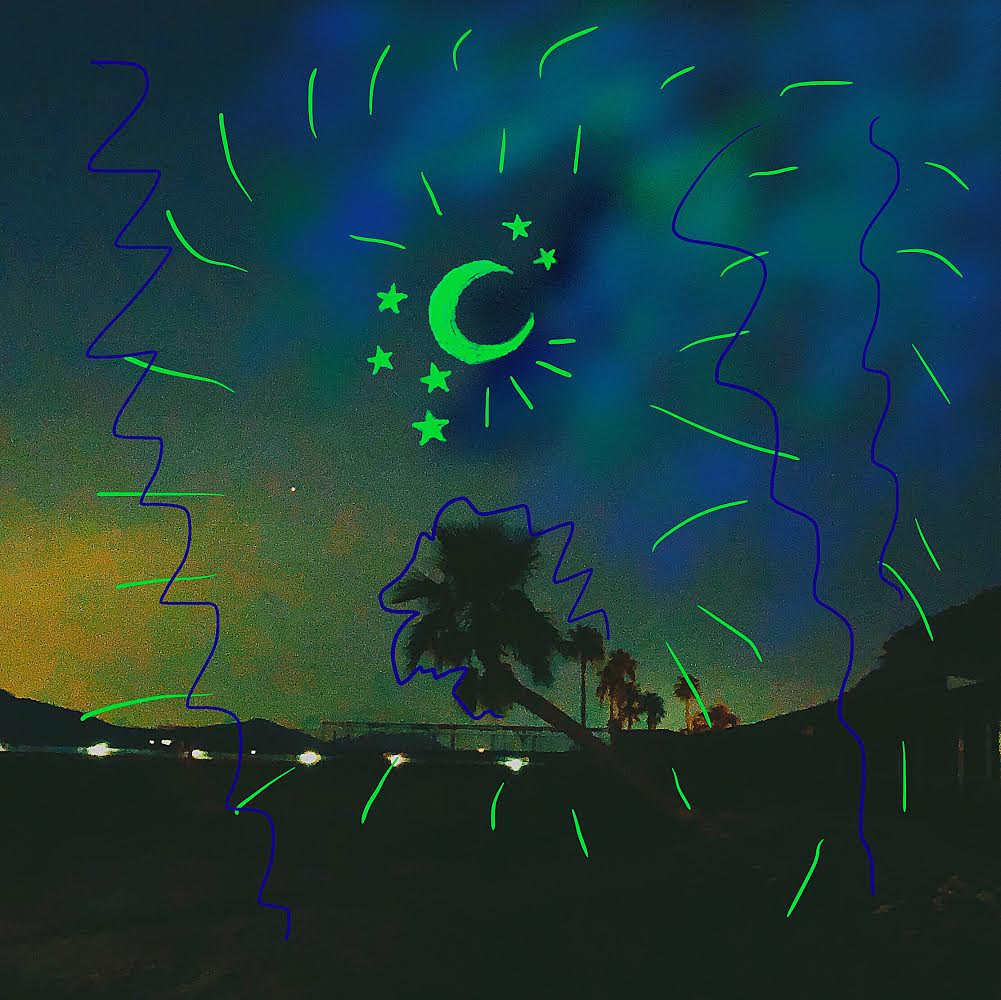
There is no specific film or piece of literature I can point to, but I have this image of taking the frustration, setbacks, and feelings of stagnation I have experienced throughout my life — along with the more positive feelings of accepting those things — and putting them into words, then setting them against imaginary towns or real landscapes. It might sound ordinary, but that is really where it comes from. I do enjoy design, so I also make all of the artwork myself. These days I mostly take photos on my iPhone, edit them, and then draw illustrations or logos on top.

 - is a music media platform run by BELONG, a Japanese music organization. We publish music articles with a focus on indie music.